Animal Chip Guide: A Simple Guide to Pet Microchipping

Pet microchipping is an important part of responsible animal ownership. A microchip provides a permanent way to identify a dog, cat, or other companion animal if it becomes lost or separated from its owner. Unlike collars and tags, which can fall off or become damaged, a microchip remains under the animal’s skin and can be scanned by a veterinarian, animal shelter, or authorized professional.

What Is an Animal Microchip?

An animal microchip is a tiny electronic identification device, usually about the size of a grain of rice. It is implanted beneath the animal’s skin using a special applicator. The procedure is quick and normally does not require surgery or anesthesia.

Each microchip contains a unique identification number. The chip itself does not normally store the owner’s name, address, or telephone number. Instead, the identification number is connected to the owner’s contact details through a registration database.

Why Should You Microchip Your Pet?

One of the biggest advantages of microchipping is that it can help reunite lost animals with their owners. A lost pet may travel far from home or lose its collar, making traditional identification difficult. When the animal is found, a scanner can detect the microchip and display its unique identification number.

The number can then be checked against an appropriate pet registration service. This is why keeping your contact information current is extremely important. If you move house, change your telephone number, or transfer ownership of the pet, the registration details should be updated as soon as possible.

Using a Dog Chip Database

A dog chip database is an important resource for connecting a microchipped dog with its registered owner. When a veterinarian, rescue organization, or shelter scans a dog, they can use the microchip number to determine which database contains the registration information.

Pet owners should make sure they know which database holds their animal’s records. It is also useful to keep a copy of the microchip number with other important pet documents. Having accurate information can make the reunification process easier if the dog goes missing.

What Happens During Microchipping?

Microchipping is generally a straightforward procedure. A trained professional scans the chip before implantation and then inserts it beneath the animal’s skin, commonly in an area recommended by local veterinary standards. After implantation, the professional may scan the chip again to confirm that it is functioning correctly.

The procedure is usually completed within a few minutes. Pet owners can ask their veterinarian about the appropriate age for microchipping and whether the animal should have the chip checked during future appointments.

Keeping Your Pet’s Information Updated

Microchipping only works effectively when registration information is accurate. A pet owner should update the database whenever important contact details change. It is especially important to update information after moving, changing telephone numbers, or transferring ownership.

Owners should also ask a veterinarian to scan the microchip periodically to ensure it can still be detected. Keeping records organized and maintaining current contact details can provide additional protection if a pet becomes lost.

An animal microchip provides a reliable form of permanent identification for pets. While it does not replace collars, identification tags, or responsible supervision, it adds an important layer of protection. Understanding how microchips work, registering the identification number, and keeping information updated can improve the chances of a lost animal being safely reunited with its owner.

A Complete Guide to Pet Microchipping: Protecting Your Pets with Dog and Cat Microchips
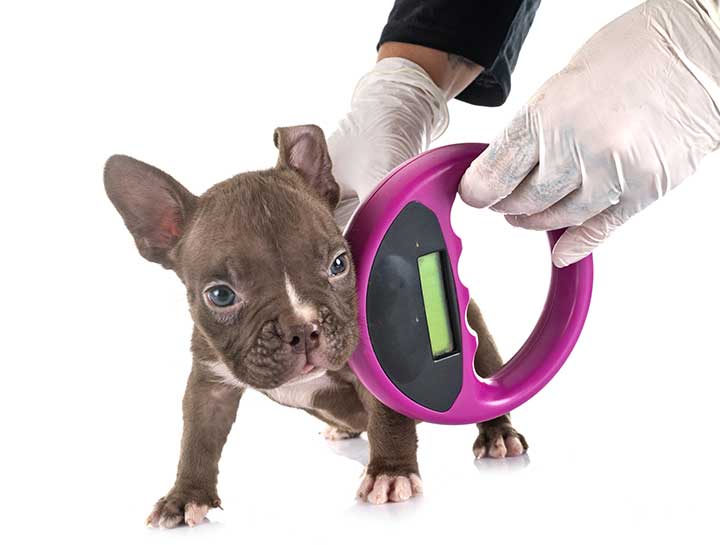
A Complete Guide to Animal Microchipping

Microchipping pets has become one of the most reliable methods of ensuring their safety and identification. Whether you are a new pet owner or someone looking to upgrade your pet’s protection, understanding what animal microchipping is and how it works can help you make the best decision for your furry companion. This guide will cover the basics, benefits, and important considerations when it comes to animal microchips.

What is an Animal Microchip?

An animal microchip is a tiny device, about the size of a grain of rice, that is implanted under a pet’s skin, usually between the shoulder blades. The chip carries a unique identification number that can be scanned by a veterinarian, animal shelter, or rescue organization. Unlike GPS trackers, microchips do not show a pet’s location in real time. Instead, they serve as a permanent form of ID that links your pet to your contact information in a national or international registry.

The Benefits of Microchipping

One of the biggest advantages of microchipping is the peace of mind it provides. Collars and tags can fall off or be removed, but a microchip is permanent. If your pet becomes lost or stolen, a simple scan can reunite you much faster than waiting for someone to notice a tag. Studies have shown that microchipped pets are significantly more likely to be returned to their owners compared to those without chips.

Microchips also provide an added layer of protection during emergencies, such as natural disasters, where pets may be separated from their families. Many shelters scan for microchips as a standard procedure, making it easier to identify pets quickly.

The Microchipping Process

The procedure to implant a microchip is quick and relatively painless. A veterinarian uses a syringe to insert the chip just beneath the skin, similar to administering a vaccine. No surgery or anesthesia is required. Most pets experience only minor discomfort, if any at all.

Once implanted, it is important for pet owners to register the chip with a database. This registration includes your name, address, and phone number, which can be updated if you move or change numbers. Without registration, the microchip cannot serve its purpose.

Common Misconceptions

Many pet owners worry about whether microchips are safe. Extensive research has shown that microchips are biocompatible and pose no health risks to pets. Another misconception is that microchips act as tracking devices. In reality, they do not provide GPS tracking, but rather permanent identification.

Tips for Pet Owners

To make the most of your pet’s microchip, remember to:

  • Register the chip with a reputable database.

  • Keep your contact information up to date.

  • Ask your vet to scan the chip during annual checkups to ensure it is working properly.

  • Use a collar and ID tag in addition to the microchip for extra protection.

Animal microchipping is a safe, effective, and permanent way to protect pets. By providing a reliable form of identification, microchips greatly increase the chances of reuniting with a lost animal. For any responsible pet owner, microchipping is a small step that can make a huge difference in safeguarding a beloved companion.

A Complete Guide to Pet Microchipping: Protecting Your Pets with Dog and Cat Microchips

Guide to Microchipping Your Pets: What You Need to Know

As pet owners, ensuring the safety and well-being of our furry companions is a top priority. One of the most effective ways to protect them is through microchipping. Microchipping is a small yet powerful tool in reuniting lost pets with their families. In this guide, we’ll explore everything you need to know about microchipping, including its benefits, process, and essential considerations.

What Is a Microchip?

A microchip is a small electronic device, about the size of a grain of rice, that is implanted just beneath the skin of an animal, typically between the shoulder blades. The chip contains a unique identification number that can be read by a scanner. This ID is linked to the pet owner’s contact information in a national database, allowing veterinarians or animal shelters to contact the owner if the pet is found.

Why Is Microchipping Important?

  1. Permanent Identification: Unlike collars and tags, which can be lost or removed, a microchip provides a permanent form of identification. Even if your pet escapes or is stolen, the chip remains with them.
  2. Reuniting Lost Pets: Statistics show that microchipped pets have a significantly higher chance of being returned to their owners. According to a study by the American Veterinary Medical Association (AVMA), dogs with microchips are reunited with their owners 52% of the time, compared to 22% for dogs without microchips. For cats, the numbers are even more striking: 38% of microchipped cats find their way back home, compared to just 2% of those without chips.
  3. Proof of Ownership: In cases of disputes over ownership, a registered microchip can serve as legal proof that you are the rightful owner of the pet.

How Does Microchipping Work?

The microchipping process is quick, simple, and relatively painless for the animal. The chip is inserted using a needle, much like a routine vaccination. Most pets experience little discomfort and do not require anesthesia.

Once the chip is implanted, it remains in place for the life of the animal. The chip itself does not have a battery; it is activated by a scanner that emits radio waves, which power the chip to transmit the identification number. Microchips are designed to last for decades and do not need to be replaced.

Registering the Microchip

After the chip is implanted, it’s crucial to register your pet’s unique ID in a national database. Many people believe that microchipping alone is enough, but without proper registration, the chip cannot be linked to your contact information. Several databases exist, and your veterinarian can guide you through the registration process.

Be sure to keep your contact information up to date, especially if you move or change phone numbers. An outdated record can make it challenging to reunite you with your pet.

Considerations and Myths

  1. Privacy Concerns: Some pet owners worry about privacy or tracking. However, microchips do not contain GPS or tracking capabilities. They only provide a unique ID number when scanned, which is linked to the owner’s contact information in the database.
  2. Health Risks: Microchips are generally considered safe, but as with any medical procedure, there are minor risks involved. In rare cases, a chip may migrate slightly from the original implant site, but this does not affect its functionality. Allergic reactions or infections are extremely uncommon.
  3. Not a Substitute for Collars and Tags: While microchipping is a valuable tool, it’s essential to use it in combination with a collar and tags. Tags provide an immediate way for someone to contact you if your pet is found, while a microchip is a backup in case the collar is lost.

Microchipping is a small investment that provides lifelong security for your pet. It increases the likelihood of reuniting with a lost animal and offers peace of mind for pet owners. Be sure to follow through with the registration process and keep your contact information current. Alongside regular veterinary care, microchipping is a key step in responsible pet ownership.

A Complete Guide to Pet Microchipping: Protecting Your Pets with Dog and Cat Microchips